

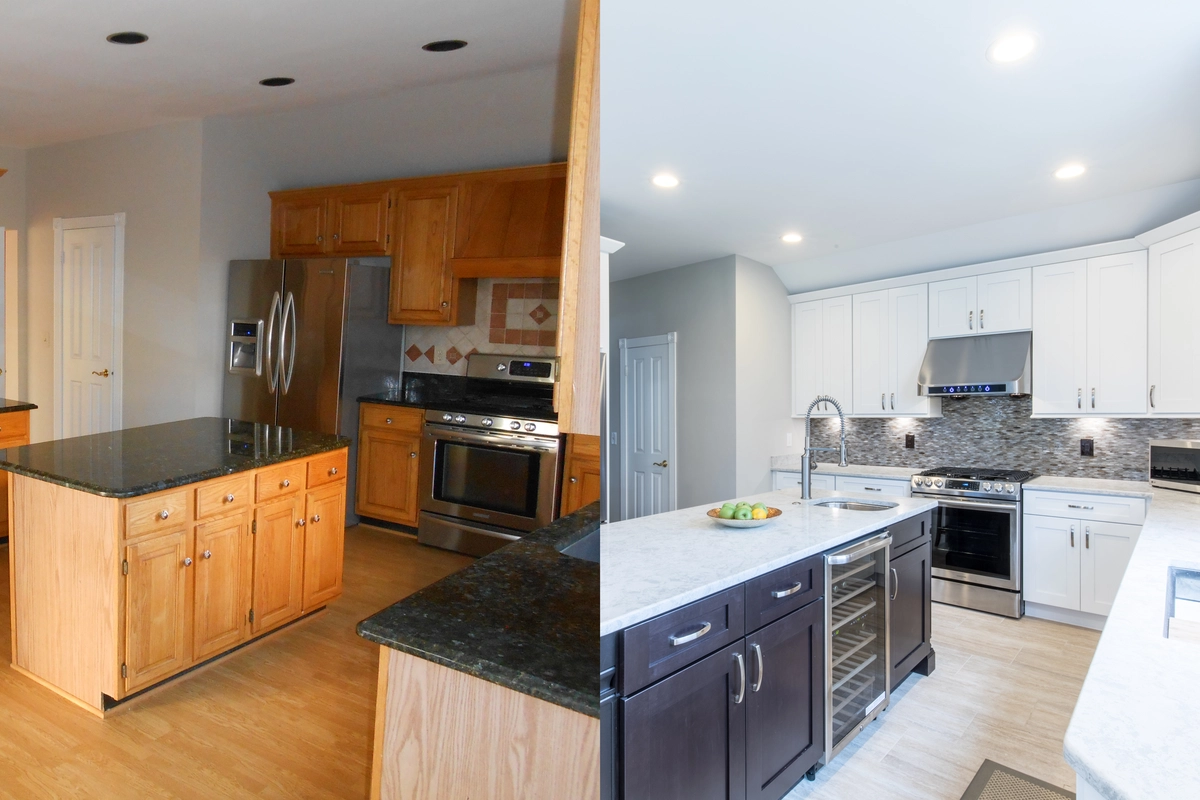
Key Takeaways
- A full kitchen remodel in Northern Virginia takes 4–6 months total from first consultation to final walkthrough — construction is only part of that timeline.
- Fairfax County building permits for structural work typically take 3–6 weeks to review — plan for this before construction begins, not after.
- Custom cabinet lead times (8–14 weeks) are the single biggest controllable timeline risk in a kitchen project; order them the moment selections are finalized.
- The fastest way to slow down a renovation is making design decisions mid-project — every change order resets scheduling, material orders, and trade availability.
A full kitchen remodel in Northern Virginia takes 4–6 months from first consultation to final walkthrough — and the construction phase is only a portion of that time. Design, permitting, material ordering, and inspections all happen before and around it, and each one affects when you walk through the finished space.
This post breaks down realistic timelines for the most common Northern Virginia renovation projects — kitchen remodels, bathroom renovations, basement finishes, and larger whole-home projects — phase by phase. It also covers the variables that move timelines in both directions and what you can control to keep things on track.
What Are the Three Phases of Every Home Renovation?
Every renovation has three distinct phases — and the time spent in each one varies enormously based on project scope and how prepared the homeowner is when they start.
Phase 1: Design and Planning
This is the period from your first consultation with a contractor through finalized material selections, signed contract, and submitted permit application. It includes:
- Initial consultation and site measurement
- Design development (layout, cabinet configuration, material choices)
- Proposal and contract review
- Finalizing all selections — cabinets, countertops, tile, fixtures, appliances
- Preparing and submitting permit drawings (for permitted work)
This phase takes 3–10 weeks for most projects. Homeowners who come in with a clear vision and make decisions promptly move through it in 3–5 weeks. Those who are still deciding on cabinet style or countertop material 6 weeks in will find their construction start date moving accordingly.
The most important thing to understand about Phase 1: no reputable contractor begins construction without a complete set of finalized selections. Mid-project design changes are the single biggest cause of delays and cost overruns in renovation work. Locking everything in before demo day is not bureaucratic — it's what keeps the project moving.
Phase 2: Permitting and Material Lead Times
For any work involving structural changes, plumbing moves, electrical upgrades, or HVAC reconfiguration, a building permit is required. In most Northern Virginia jurisdictions:
- Fairfax County: Structural building permits typically take 3–6 weeks for plan review. Simple electrical or plumbing permits can sometimes be issued over the counter or within a few days.
- Arlington County: Building permit review typically takes 3–5 weeks.
- City of Alexandria: 3–5 weeks for residential building permits.
- Prince William County: 2–4 weeks for residential permits.
Permit review happens in parallel with material ordering — a good contractor submits the permit application as soon as drawings are complete and simultaneously places orders for long-lead items. Cabinet manufacturing (for semi-custom and custom cabinetry) is the most significant lead time in a kitchen project.
Phase 3: Construction
This is the active job site period — demolition, rough work (framing, plumbing, electrical), inspections, finish installation, and punch list completion. Construction timelines are determined by project scope, crew size, and the sequencing of trades — each trade (plumber, electrician, tile setter, cabinet installer) has specific prerequisites that must be met before they can work.
How Long Does Each Type of Northern Virginia Renovation Really Take?
| Project Type | Design & Planning | Permits & Lead Times | Construction | Total (Typical) |
|---|---|---|---|---|
| Kitchen cosmetic refresh (countertops, backsplash, hardware, paint — no layout changes) |
1–2 weeks | Usually not required | 2–4 weeks | 3–6 weeks |
| Kitchen partial remodel (new cabinets, countertops, appliances — plumbing stays in place) |
3–6 weeks | 3–5 weeks (electrical permit); cabinets 6–10 weeks | 5–8 weeks | 3–4 months |
| Full kitchen gut remodel (layout changes, plumbing moves, new everything) |
4–8 weeks | 4–7 weeks (building permit); custom cabinets 8–14 weeks | 8–14 weeks | 4–6 months |
| Kitchen + wall removal (structural beam, open-concept conversion) |
5–9 weeks | 5–8 weeks (structural permit + engineer drawings) | 10–16 weeks | 5–8 months |
| Bathroom cosmetic refresh (new tile, vanity, fixtures — no plumbing moves) |
1–2 weeks | Usually not required | 2–4 weeks | 3–6 weeks |
| Full bathroom remodel (gut renovation, new shower, plumbing may move) |
3–5 weeks | 2–5 weeks (plumbing + building permit) | 5–9 weeks | 2–4 months |
| Master bath full renovation (large format tile, custom shower, heated floor, new layout) |
4–7 weeks | 3–5 weeks; custom vanity/shower 4–8 weeks | 7–12 weeks | 3–5 months |
| Basement finish (framing, drywall, flooring, bathroom add, electrical) |
3–6 weeks | 4–7 weeks (building permit required in all NoVA jurisdictions) | 8–14 weeks | 4–6 months |
| Multi-room or whole-home renovation (kitchen + 2+ bathrooms, structural changes) |
6–12 weeks | 5–8 weeks; custom materials throughout | 16–30+ weeks | 7–12+ months |
What Happens Week by Week During Kitchen Construction?
For a full kitchen remodel — the most common project scope in Northern Virginia — here's how the construction phase typically sequences:
Weeks 1–2: Demolition and Rough Framing
Existing cabinets, countertops, flooring, and fixtures are removed. If walls are moving, framing changes happen now. This is the loudest, dustiest phase. Most of the mess happens in the first two weeks, which is often jarring if you weren't expecting the scale of disruption.
Weeks 2–4: Rough Mechanical Work
Plumbing, electrical, and HVAC rough-in work happens with walls open. Each trade requires a separate inspection before walls are closed. In Fairfax County and Arlington, inspections are typically scheduled within 24–48 hours of request, though this can vary by season and county workload.
Weeks 4–5: Drywall and Prep
Walls are closed, drywall is hung, taped, and finished. Flooring substrate prep happens at this stage. This is often the phase that looks like nothing is happening — important work is being done but it's not visually dramatic.
Weeks 5–8: Cabinet Installation and Tile Work
Cabinet delivery and installation is one of the critical path items — nothing else can happen on schedule if cabinets arrive late or damaged. Tile work (backsplash, any floor tile) typically happens in parallel with or immediately after cabinetry.
Weeks 8–10: Countertop Templating and Installation
Countertops (quartz, natural stone, porcelain) cannot be templated until cabinets are fully installed and level. After templating, fabrication takes 1–2 weeks, then installation is typically 1 day. This sequential dependency means countertop installation rarely happens before week 8–9 on a full kitchen remodel.
Weeks 10–12+: Finish Work and Punch List
Appliance installation, plumbing fixtures, lighting, paint touch-ups, hardware installation, and the punch list walk all happen in the final weeks. Final inspections are scheduled, and the certificate of occupancy or project closeout documentation is issued.
What Actually Causes Renovation Delays — and What Can You Control?
The Biggest Controllable Factor: Decision Speed
Of all the variables that affect a renovation timeline, the one homeowners have the most control over is how quickly and completely they make decisions before construction starts. Every change order issued during construction — a different cabinet door style, a different tile, a relocated outlet — resets the scheduling clock for that portion of the project. The trades that need to respond to that change are now booked elsewhere. Materials are reordered. Time is lost.
Experienced contractors are direct about this: a homeowner who finalizes all selections before demo day will have a faster, smoother project than one who enters construction still deciding. This isn't about being inflexible — it's about understanding that a kitchen renovation is a factory with a very specific sequence, and mid-run changes are expensive and time-consuming in any factory.
Material Lead Times: Plan for These Early
Beyond cabinets, several other materials carry significant lead times that can affect your schedule if not ordered early:
- Custom or semi-custom cabinets: 6–14 weeks depending on manufacturer and customization level
- Specialty tile (imported, large-format, or custom color): 4–12 weeks; domestic stock tile typically ships in 1–2 weeks
- Certain appliances: Professional-grade ranges, panel-ready refrigerators, and specific colors/finishes can run 4–12 weeks out
- Natural stone slabs: Available from local slab yards typically within 1–2 weeks of templating, but specific rare slabs may need to be located and reserved ahead of time
- Custom vanities and shower enclosures: 4–10 weeks depending on the manufacturer
A contractor who actively manages these lead times — ordering materials at the earliest possible point in Phase 1 — can often overlap ordering with permitting to avoid adding weeks to the timeline.
Unexpected Discoveries: Plan a Buffer
In Northern Virginia homes built before 1990, demolition frequently reveals conditions that weren't visible before work began: outdated knob-and-tube or aluminum wiring, galvanized plumbing that needs replacement, subfloor rot from a slow leak, or asbestos-containing materials in old floor adhesive or drywall joint compound. These aren't failures of the contractor to anticipate — they're genuinely unknown until walls open.
A 10–15% schedule buffer — extra weeks built into your expected end date — is a realistic planning assumption for any project in older Northern Virginia housing stock. It's not pessimism; it's accounting for the reality of older homes.
Does Starting in Spring or Winter Affect Your Northern Virginia Renovation Timeline?
Spring and fall are the busiest seasons for Northern Virginia contractors, which means permit offices, inspectors, and preferred subcontractors are also at peak demand. Projects starting in those seasons may face slightly longer permit review and inspection scheduling windows. If you're planning a project that needs Fairfax County structural permits, starting in January or February often means a faster review cycle than kicking off in April or May when the county's plan review queue is full.
Winter is often the best time to start a project from a scheduling and contractor availability standpoint — you're more likely to get your preferred start date, your preferred subcontractors, and faster inspection turnarounds. The tradeoff is that material deliveries can occasionally be affected by weather, and exterior work (like additions) may face weather-related pauses. For interior-only projects like kitchen and bathroom remodels, winter is almost always the fastest season to get moving.
What Should You Ask a Contractor About Timeline Before You Sign?
When you sit down with a contractor for the first time, ask these specific questions about timeline:
- "When do you need all of my material selections finalized by?"
- "What is the current lead time for the cabinet line you're recommending?"
- "How long does a Fairfax County/Arlington permit typically take for this scope of work?"
- "What happens to the schedule if there's a material delay or an unexpected discovery during demo?"
- "What is your typical construction crew size for a project like this?"
A contractor who gives you clear, specific answers to these questions — rather than vague reassurances — is someone who actually manages their projects. For more on what to look for when vetting a remodeling company, see our guide on how to choose the right contractor for your remodel.
You can also browse our completed project portfolio to see examples of kitchen and bathroom renovations we've finished in Fairfax, McLean, Vienna, and throughout Northern Virginia — each one completed with a written project schedule from day one.
How Can You Keep Your Renovation on Track Once Construction Starts?
Most timeline slippage happens in the first few weeks of construction — not because of contractor errors, but because homeowners haven't fully locked in their decisions. The most protective thing you can do once the project begins is to hold a standing weekly check-in with your contractor, even a 15-minute call, to review what decisions are needed that week and what materials are scheduled to arrive.
Three specific habits that keep projects on schedule:
- Respond to contractor questions the same day. When a tile is back-ordered or an appliance arrives damaged, your contractor needs an alternative decision quickly. A delayed response of even 2–3 days can push a trade's next scheduled visit out a week.
- Do not approve change orders without understanding the timeline impact. Every change order should come with a revised estimated completion date, not just a revised cost. Ask for both before signing.
- Walk the site at the end of each major phase. Walking through at the end of rough mechanical work (before walls close) and at cabinet installation are the two most important site visits — issues caught then are far cheaper to fix than after finishes are installed.
What Do Homeowners Most Often Ask About Renovation Timelines?
How long does a kitchen remodel take from start to finish?
From the initial design consultation to the final walkthrough, most full kitchen remodels in Northern Virginia take 4–6 months. That breaks down roughly as: 4–8 weeks of design and material selection, 3–6 weeks for permits, 8–14 weeks of active construction, and 1–2 weeks for punch list and final inspections. Cosmetic kitchen refreshes without structural or plumbing changes can be completed in 3–6 weeks.
How long does a bathroom remodel take in Northern Virginia?
A standard bathroom remodel takes 4–8 weeks of construction. A simple cosmetic update — new tile, vanity, and fixtures without moving plumbing — can be done in 2–4 weeks. A full master bath gut renovation typically runs 7–12 weeks of construction. Add 2–4 weeks for design and permitting before construction starts. See our bathroom remodeling services for the full scope of what we cover.
What causes renovation delays in Northern Virginia?
The most common causes of delays are: custom cabinet lead times (8–14 weeks is standard), permit review timelines (Fairfax County structural permits typically take 3–6 weeks), unexpected discoveries during demolition, and material back-orders. Homeowners who finalize all selections before construction begins experience significantly fewer delays.
Can I live in my home during a kitchen renovation?
Yes — most homeowners in Northern Virginia live in their homes during kitchen renovations. You'll need a temporary kitchen setup with a mini-fridge, microwave, and countertop cooking option. The most difficult weeks are demolition and the period when old cabinets are gone but new ones haven't arrived yet — typically 1–2 weeks. Planning meals and temporary arrangements for those specific weeks makes a significant difference.
Does ordering custom cabinets really affect the timeline that much?
Yes — cabinet lead time is the biggest single timeline variable in a kitchen renovation. Stock cabinets have essentially no lead time. Semi-custom cabinets typically take 4–8 weeks. Fully custom cabinets can take 8–14 weeks or longer. A contractor who orders cabinets only after the permit is approved — rather than simultaneously during permit review — can add 2–3 months to your project timeline unnecessarily.
Final Thoughts
The single most useful thing to understand about renovation timelines is that construction is only one part of the equation. Design, permits, and material lead times can easily add 2–4 months before a single wall comes down — and that's normal for a well-run project. The homeowners who are happiest with their experience are the ones who understood this going in, made their selections early, and worked with a contractor who gave them a real written schedule instead of a verbal best guess.
At Mayflower Kitchen and Bath, we provide a detailed written project schedule at the start of every job, including all material order dates, permit milestones, and construction phase targets. Call us at (571) 380-7600 or book a free consultation to discuss your project and get a realistic sense of what your specific timeline looks like.