

Key Takeaways
- Compare five natural stone options—granite, marble, quartzite, soapstone, and travertine—based on durability, maintenance, and price before selecting.
- Choose granite or quartzite for heavy-use kitchens, as both resist heat above 1,200°F, resist scratches, and last 15-25+ years with annual sealing.
- Reserve marble for baking stations or low-traffic areas since it requires sealing every 6-12 months and etches from acidic substances.
- Consider soapstone if you want zero sealing maintenance—its non-porous surface naturally resists bacteria and stains.
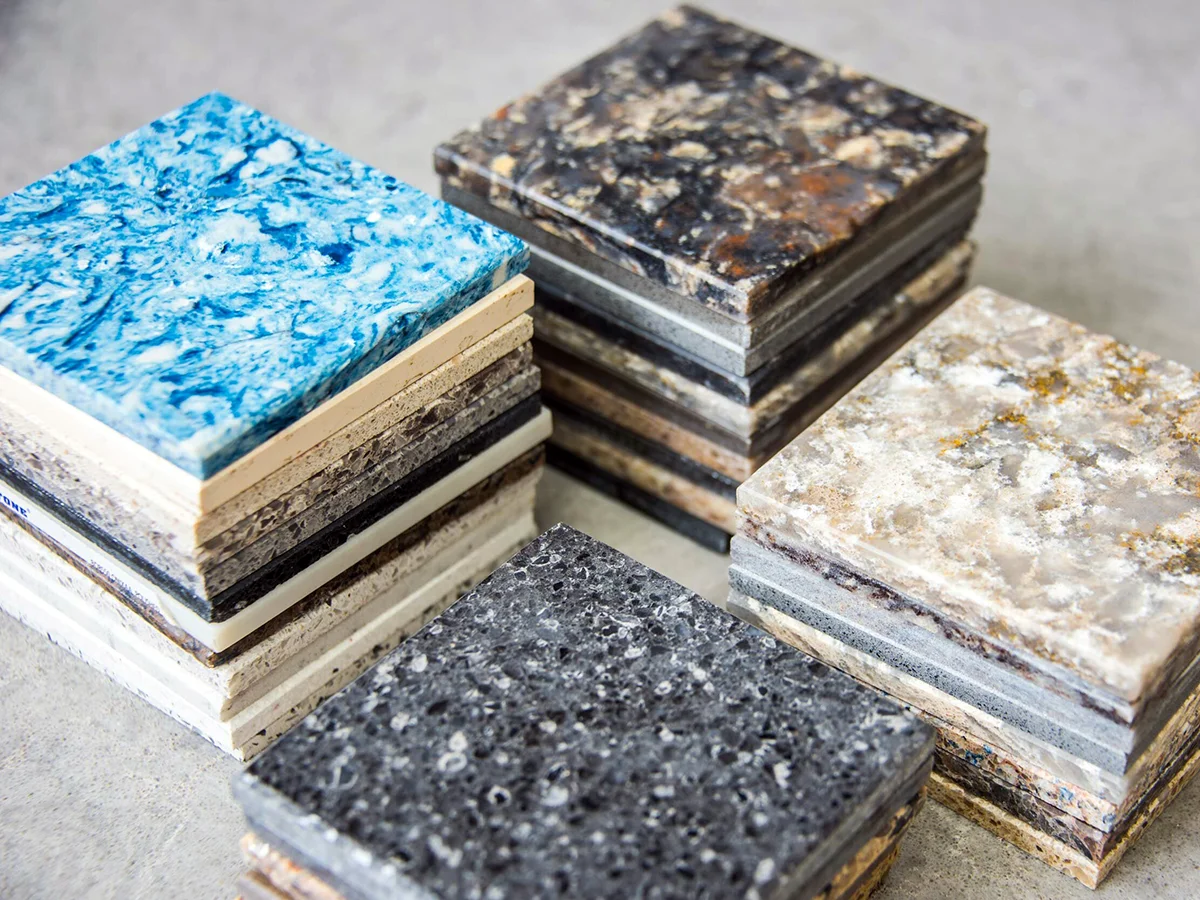
In part one of our series, we explored the benefits and decision-making process behind choosing natural stone for your countertops. In this second part, we dive deeper into the most popular natural stone options—granite, marble, quartzite, soapstone, and more—to help you find the right fit for your kitchen or bathroom renovation.
Each natural stone brings its own personality to your space, with unique characteristics that can complement different design styles and functional requirements. Understanding these differences helps ensure you select the perfect material for your Vienna home's specific needs.
1. Granite – The All-Rounder Champion
Granite remains the gold standard for natural stone countertops in Vienna kitchens and bathrooms. This igneous rock forms deep within the earth under intense heat and pressure, creating its signature speckled appearance and exceptional strength. Available in hundreds of colors and patterns, granite offers something for every design aesthetic.
What makes granite especially appealing is its versatility. Whether you're preparing daily family meals or hosting dinner parties, granite handles heavy use without showing wear. Its natural resistance to heat means you can place hot pots directly on the surface, while its hardness prevents most scratches from daily kitchen activities.
Popular granite varieties in the Vienna area include classic choices like Kashmir White, Uba Tuba, and Santa Cecilia, each offering distinct color palettes and veining patterns. The natural variation in each slab ensures your countertops will be completely unique.
Pros:
- Heat-resistant up to 1,200°F - perfect for busy cooking
- Scratch-resistant surface handles knives and kitchen tools
- Unique slab patterns ensure one-of-a-kind appearance
- Long lifespan of 15-25+ years with proper care
- Wide variety of colors and finishes available
Cons:
- Requires annual sealing to prevent staining and bacteria growth
- Natural stone variations and fissures may not suit minimalist preferences
- Heavy material requires professional installation
- Acidic substances like lemon juice can etch the surface
2. Marble – Timeless Luxury and Elegance
Marble represents the pinnacle of luxury in natural stone countertops. This metamorphic rock, formed from limestone under heat and pressure, creates the dramatic veining patterns that have captivated designers and homeowners for centuries. Popular varieties like Carrara, Calacatta, and Statuario each offer distinct veining characteristics.
Beyond its stunning appearance, marble provides practical benefits for serious bakers. The stone's naturally cool surface temperature makes it ideal for working with pastry dough and chocolate. Many professional chefs and baking enthusiasts specifically choose marble for this temperature advantage.
However, marble requires dedicated maintenance and care. This softer stone is more susceptible to damage from acids, which means extra attention to cleaning and protection. Wine, citrus juices, and even some cleaning products can permanently etch marble surfaces if not cleaned immediately.
Pros:
- Unmatched elegant appearance with dramatic veining
- Cool surface temperature ideal for baking and pastry work
- Available in classic whites and dramatic colored varieties
- Increases home resale value significantly
- Can be professionally restored if damaged
Cons:
- Prone to staining from oils, wine, and colored liquids
- Susceptible to scratching and etching from acids
- Requires sealing every 6-12 months for protection
- Higher maintenance requirements than other stones
- Premium pricing for quality slabs
3. Quartzite – The Perfect Marriage of Beauty and Performance
Quartzite represents the best of both worlds, offering marble-like appearance with granite-level durability. This natural stone forms when sandstone undergoes metamorphosis, creating an incredibly hard surface that rivals granite in strength while maintaining the elegant patterns reminiscent of marble.
Popular quartzite varieties include Super White, Taj Mahal, and Calacatta Macaubas, each offering unique veining and color characteristics. The stone's natural patterns are often more subtle than marble but more dramatic than many granites, making it perfect for homeowners seeking sophisticated elegance.
What sets quartzite apart is its exceptional performance characteristics. Unlike marble, quartzite won't etch from acidic substances, making it much more practical for everyday kitchen use while maintaining that coveted natural stone appearance.
Pros:
- Extremely durable - harder than granite
- Heat resistant to very high temperatures
- Scratch resistant for daily kitchen use
- Won't etch from acidic substances like citrus or wine
- Available in marble-like patterns and colors
Cons:
- Requires annual sealing like other natural stones
- Premium pricing often exceeds granite costs
- Limited availability compared to granite options
- Difficult to repair if chipped or damaged
4. Soapstone – The Smooth, Sophisticated Choice
Soapstone offers a completely different aesthetic and feel compared to other natural stones. This metamorphic rock, composed primarily of talc, creates surfaces with a distinctive smooth, almost silky texture that develops a natural patina over time. The stone typically appears in darker colors - deep grays, charcoals, and blacks - making it perfect for dramatic, sophisticated kitchen designs.
What makes soapstone unique is its completely non-porous nature, meaning it never requires sealing. This characteristic makes it naturally resistant to bacteria and stains, though it can be enhanced with mineral oil to maintain its appearance and prevent minor scratches from showing.
Soapstone works particularly well in farmhouse, traditional, and industrial-style kitchens. Its matte finish provides an elegant contrast to glossy cabinet finishes and stainless steel appliances.
Pros:
- Naturally non-porous - never needs sealing
- Heat resistant - can withstand high temperatures
- Develops attractive patina over time
- Antibacterial properties due to non-porous surface
- Unique smooth, matte texture
Cons:
- Softer stone can scratch or dent more easily
- Limited color palette - primarily dark tones
- Shows fingerprints and water spots more readily
- Requires periodic mineral oil treatment
- Higher cost than granite in most cases
5. Travertine & Limestone – Natural Warmth and Character
Travertine and limestone bring warm, earthy elegance to kitchen and bathroom spaces. These sedimentary stones form from compressed organic materials over millions of years, creating naturally pitted surfaces with warm color tones ranging from cream and beige to rich browns and golds.
These stones excel in creating Mediterranean, rustic, and traditional design aesthetics. Their natural texture and warm coloring complement wood cabinetry beautifully and create welcoming, comfortable spaces. However, their softer composition and porous nature make them better suited for lower-traffic applications or decorative uses.
While not ideal for heavy-use kitchen countertops, travertine and limestone work excellently for bathroom vanities, backsplashes, and decorative accents where their natural beauty can be appreciated without the stress of daily meal preparation.
Pros:
- Natural, warm appearance with unique texture
- Available in beautiful earth-tone colors
- Cost-effective compared to harder stones
- Easy to cut and shape for custom applications
- Perfect for backsplashes and decorative features
Cons:
- Higher maintenance requirements and frequent sealing
- Softer stone shows wear more quickly
- Porous surface prone to staining
- Not recommended for heavy-use kitchen countertops
- Susceptible to damage from acids and heavy impact
Making Your Natural Stone Selection Decision
Choosing the right natural stone for your Vienna home involves balancing multiple factors including aesthetics, functionality, maintenance requirements, and budget considerations. Each stone offers distinct advantages that align with different lifestyle needs and design preferences.
Consider your cooking habits and kitchen usage patterns when making your selection. Heavy entertainers and frequent cooks may prefer granite or quartzite for their exceptional durability, while serious bakers might gravitate toward marble's naturally cool surface. Those seeking low-maintenance options will appreciate soapstone's non-porous characteristics.
Design style also plays a crucial role in your decision. Modern and contemporary kitchens often showcase quartzite's clean lines and subtle patterns, while traditional and farmhouse styles beautifully complement soapstone's matte finish or travertine's warm textures.
Budget considerations extend beyond initial material costs to include long-term maintenance requirements. While marble may require more frequent professional care, granite offers excellent value through its longevity and lower maintenance needs.
In Part 3 of our series, we'll provide detailed pricing breakdowns and help you match your natural stone selection to your specific lifestyle and budget requirements for your Vienna kitchen renovation.
Ready to explore natural stone options for your home? Our experienced design consultants at Mayflower Construction can guide you through the selection process, helping you balance aesthetics, functionality, and budget to find your perfect countertop solution. Call us at (571) 380-7600 to schedule your personalized consultation.
Frequently Asked Questions About Natural Stone Countertops
Is granite or marble better for a kitchen countertop?
Granite is generally the better choice for a busy kitchen. It's harder, less porous, and more resistant to scratching and chipping than marble, and it holds up to daily cooking without etching from acidic foods. Marble is softer and will etch when it contacts lemon juice, wine, or tomato sauce — but many homeowners love the look of a naturally worn marble surface over time. If you want low-maintenance elegance, granite wins. If you want timeless luxury and don't mind some patina developing, marble can be stunning.
Does marble stain or etch easily in a kitchen?
Yes. Marble is a calcium-based stone, which means acidic substances — citrus juice, coffee, wine, vinegar — chemically react with the surface and leave dull marks called etches. These aren't stains (they can't be wiped away); they're surface damage. Sealing helps with staining from oils and liquids but does not prevent etching. Many Northern Virginia homeowners choose marble for bathroom vanities or baking-specific surfaces rather than the main kitchen countertop, where cooking acids are a daily reality.
What is the difference between quartzite and marble?
Both are natural stones with similar veined aesthetics, but quartzite is significantly harder and more durable than marble. Quartzite is formed from sandstone under intense heat and pressure, which makes it one of the hardest natural countertop materials available. Marble is softer and more porous, making it prone to etching from acid and staining if not sealed properly. If you love the look of marble but need real kitchen durability, quartzite is often the better choice for Northern Virginia homeowners.
Is soapstone a good countertop choice for a kitchen?
Soapstone is an excellent choice if you want a natural stone that requires no sealing. It's non-porous, highly heat-resistant, and develops a beautiful dark patina over time. The main trade-off is that soapstone is softer than granite or quartzite, so it can scratch more easily — though many homeowners appreciate the character this adds. Soapstone is also less widely available than granite, which can make slab selection and pricing less predictable in the Northern Virginia market.
How long do natural stone countertops last?
With proper care, natural stone countertops — granite, quartzite, marble, or soapstone — can last the lifetime of your home. Granite and quartzite are particularly hard and durable under normal kitchen use. The main factors that shorten their life are lack of sealing (leading to deep stains), improper cleaning products (harsh acids or abrasives that dull the surface), and physical impacts that chip edges or corners. A properly sealed and maintained stone countertop routinely lasts 30, 40, or 50-plus years in Northern Virginia homes.