November 21, 2023
How Much Should I Spend on My Small Bathroom Remodel?

BATHROOM


Key Takeaways
Renovating your home is exciting — it is your chance to transform how your space looks, feels, and functions. But for many Northern Virginia homeowners, the renovation process can also feel overwhelming. Between choosing materials, managing budgets, coordinating schedules, and living through construction, it is easy to feel stressed if you are not prepared.
The good news is that renovation stress is not inevitable. With the right planning, the right expectations, and the right team, your kitchen remodel, bathroom renovation, or whole house project can be a smooth, organized, and even enjoyable experience.
Here is a practical, step-by-step guide to staying calm, confident, and in control throughout your home renovation — based on lessons from hundreds of projects across Fairfax County, Arlington, Loudoun, and the wider Northern Virginia region.
One of the biggest sources of renovation stress is uncertainty. When you do not have a clear picture of what you want, every decision feels high-stakes — and second-guessing becomes constant.
Define Your Goals Before Anything Else
Before you contact a single contractor, sit down and answer these questions honestly:
What specific problems am I trying to solve with this renovation?
Which features are must-haves versus nice-to-haves?
How long do I plan to stay in this home?
What is my realistic budget range?
Writing down your priorities gives you a decision-making framework for the entire project. When you are choosing between two countertop options or debating whether to relocate a wall, your written goals keep you grounded and focused.
Work with a Design-Build Team
A design-build approach — where one company handles both design and construction — significantly reduces stress. You have a single point of contact, one contract, and seamless coordination between the design vision and the build execution. There is no finger-pointing between a separate designer and contractor when issues arise.
At Mayflower, our process starts with a consultation where we help you clarify your vision, then moves through design development, material selection, and construction — all managed under one roof. Visit our kitchen remodeling page to see how this works in practice.
Budget anxiety is one of the top stressors in any renovation. The fear of going over budget can overshadow the excitement of creating your new space. The solution is not to spend less — it is to plan smarter.
Include a Contingency Fund
Most renovation professionals recommend setting aside 10 to 20 percent of your total budget as a contingency fund. This covers unexpected discoveries that are common in Northern Virginia homes, especially those built in the 1970s through 1990s:
Outdated plumbing that does not meet current Virginia Uniform Statewide Building Code (VUSBC)
Electrical wiring that needs upgrading to pass Fairfax County inspections
Hidden water damage behind walls or under flooring
Structural issues that only become visible after demolition
Having a contingency fund transforms an unexpected discovery from a crisis into a manageable adjustment. Instead of panic, you think: "This is exactly what the buffer was for."
Understand What Drives Costs
In Northern Virginia, labor and material costs tend to be higher than national averages due to the region's cost of living and the skilled trades market. A typical kitchen remodel in the area runs $25,000 to $75,000 depending on scope, while a bathroom renovation ranges from $15,000 to $40,000.
Understanding these ranges upfront prevents sticker shock and helps you make informed trade-offs between features and budget.
One of the most common causes of project delays — and the stress that comes with them — is late decision-making on materials and finishes. When selections are not finalized before construction begins, work stops while you browse showrooms, wait for samples, or change your mind about tile patterns.
Finalize Selections Before Construction Starts
Your contractor should guide you through a structured selection process that covers:
Cabinetry style, finish, and hardware
Countertop material (granite, quartz, marble, butcher block)
Tile for backsplash, floors, and shower surrounds
Plumbing fixtures (faucets, sinks, showerheads)
Lighting fixtures and electrical placement
Paint colors and wall treatments
Appliances (if part of the scope)
At Mayflower, we complete all material selections during the pre-construction phase. By the time demolition begins, every product has been ordered and lead times have been factored into the schedule. This eliminates one of the biggest sources of mid-project delays.
Be Aware of Supply Chain Realities
Some materials have lead times of 4 to 8 weeks or longer. Custom cabinetry can take 6 to 12 weeks. If you make selections early, your contractor can coordinate deliveries to align with the construction schedule. If you wait, you risk empty weeks where work cannot proceed — and that is stressful for everyone.
Permits are a reality of any significant renovation in Northern Virginia, and they add time to your project. Understanding this upfront prevents frustration when the timeline includes a permit review period before construction begins.
What Requires a Permit
In Fairfax County, Arlington, Loudoun, and most Northern Virginia jurisdictions, you need permits for:
Structural modifications (removing or relocating walls)
Electrical work beyond simple fixture replacements
Plumbing modifications (relocating pipes, adding fixtures)
HVAC changes
Any work that affects load-bearing elements
Permit review in Fairfax County typically takes 2 to 6 weeks depending on the project scope. Arlington and Loudoun have similar timelines. A professional contractor factors these timelines into the project schedule from day one — so there are no surprises.
Why Permits Protect You
Permits are not bureaucratic hurdles — they are safeguards. Inspections ensure the work meets Virginia's building codes, which protect your family's safety and your home's value. Unpermitted work can create serious problems when you sell your home, as buyers' inspectors and lenders will flag it.
Your contractor should handle the entire permitting process. If they suggest skipping permits to save time, that is a major red flag. Learn more about what to look for in our guide on choosing the right contractor.
Communication quality is the single biggest factor in whether homeowners rate their renovation experience as positive or negative, according to National Association of Home Builders surveys. It matters more than budget accuracy and more than timeline adherence.
Establish Communication Expectations
Before construction begins, clarify these details with your contractor:
Who is your primary point of contact? (It should be one person, not a rotating cast.)
How often will you receive progress updates?
What is the expected response time for questions?
How will changes or issues be communicated?
At Mayflower, every project has a dedicated project manager who serves as your single point of contact. You receive structured updates at key milestones, and phone calls and emails are returned within one business day.
Ask Questions When You Are Unsure
No question is too small during a renovation. If you do not understand why something is being done a certain way, ask. If a timeline shifts, ask why and what the plan is. A professional contractor welcomes questions because they know informed clients make better decisions and have better experiences.
Even the most organized renovation will temporarily disrupt your daily routine. Planning for this disruption reduces the emotional toll significantly.
Kitchen Renovation Preparation
If you are renovating your kitchen, you will lose access to it for several weeks. Plan ahead:
Set up a temporary kitchen station in another room with a microwave, toaster oven, and mini-fridge
Stock up on easy-prep meals and paper plates
Move frequently used items (coffee maker, snacks) to an accessible location
Budget for more takeout than usual — it is part of the process
Bathroom Renovation Preparation
If you are remodeling your only bathroom, discuss temporary arrangements with your contractor before work begins. For homes with multiple bathrooms, simply redirect the family to the alternate bathroom and adjust morning routines accordingly.
Protect Your Belongings
Your contractor should install dust barriers, protective floor coverings, and containment systems to isolate the work zone. However, you should also:
Remove valuables and fragile items from adjacent rooms
Cover furniture near the work area
Secure pet access away from construction zones
Inform your household about daily work schedules
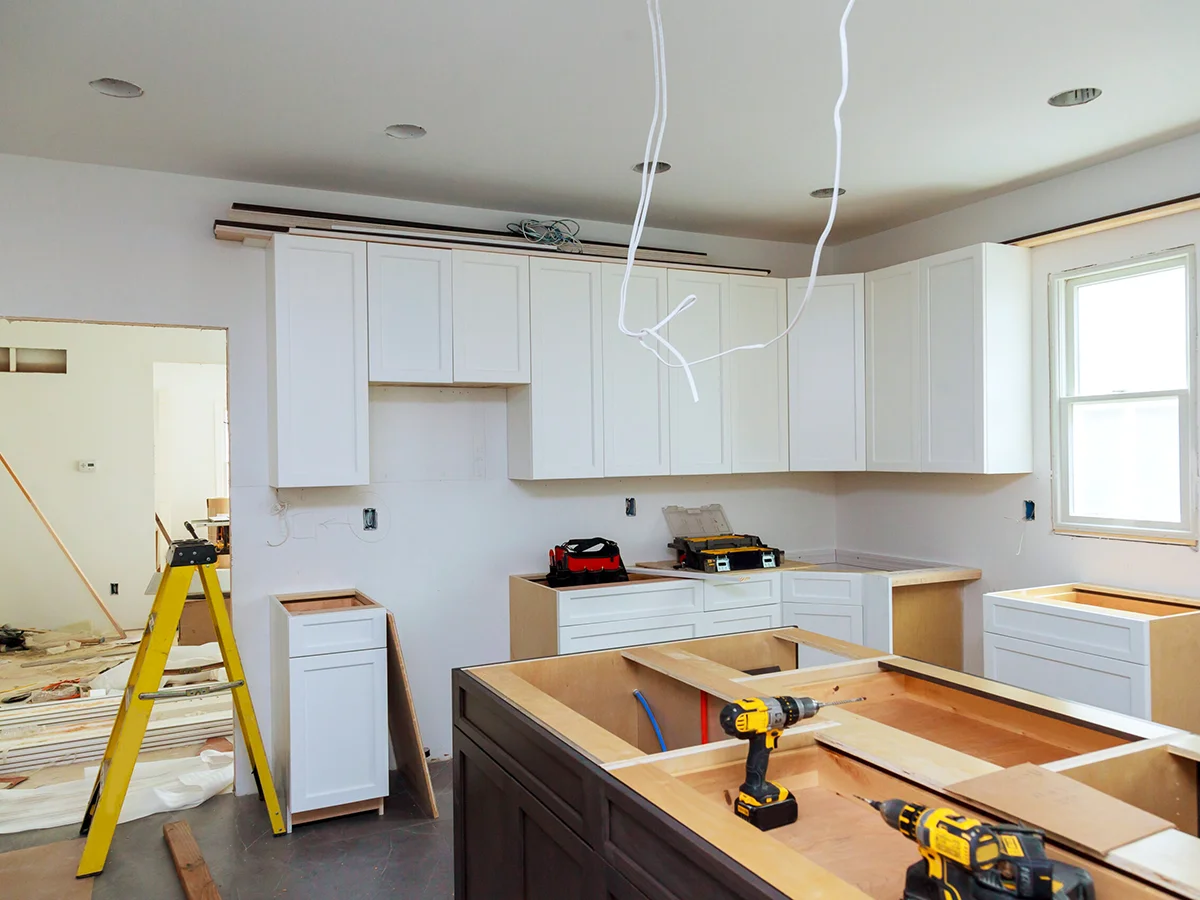
Every renovation goes through a phase that looks worse before it looks better. Demolition creates chaos. Exposed framing and wiring can look alarming. A half-tiled shower wall is not inspiring. This is normal.
The Demolition Phase
Seeing your old kitchen or bathroom torn apart can trigger anxiety, even when you hated the old space. Remind yourself that demolition is the first step toward the space you have been envisioning. Your contractor has done this hundreds of times — the mess is controlled and temporary.
Mid-Project Doubt
Around the midpoint of most renovations, many homeowners experience a moment of doubt. "Was this worth it?" "Will it really come together?" This is completely normal and nearly universal. Trust that if you chose a qualified, experienced team, the vision will materialize. The transformation from rough construction to finished space happens remarkably quickly in the final stages.
Avoid Comparing Daily Progress
Some days will show dramatic visible progress. Others involve behind-the-wall work — plumbing rough-in, electrical wiring, waterproofing — that is invisible but essential. Judging progress by daily appearances leads to unnecessary frustration. Focus on milestone completion instead.
Changes during a renovation are normal. You might decide to upgrade a countertop material after seeing a sample in person, or add an electrical outlet that was not in the original plan. These changes should not create drama.
The Right Way to Handle Changes
Every change to the original scope should follow a simple process:
You or your contractor identifies the change
The contractor provides a written change order with the cost impact and timeline adjustment
You review and approve (or decline) before any additional work happens
This eliminates surprise charges on your final invoice and keeps both parties on the same page. At Mayflower, nothing is added to your project without your written approval. No surprises. No arguments at the end.
The single most impactful decision you can make for a stress-free renovation is choosing the right contractor. A qualified, communicative, well-organized team will handle most of the stress-generating tasks for you — permits, scheduling, inspections, material coordination, dust containment, and problem resolution.
What to Look For
Valid Virginia DPOR contractor license (verify at dpor.virginia.gov)
General liability insurance and workers' compensation coverage
A clear, defined process from consultation through completion
A portfolio of completed projects similar to yours
Strong reviews on Google, Houzz, and other platforms
Transparent pricing with written contracts and change order procedures
For a deeper dive into evaluating contractors, read our guide: Questions to Ask Before Hiring a Contractor.
Red Flags That Increase Stress
Contractors who are slow to return calls before the project starts
Vague proposals without detailed scope or material specifications
Demands for large upfront payments
Reluctance to provide references or proof of licensing
No written contract or warranty terms
A contractor who creates stress before the project begins will only create more during construction.
If you are planning a renovation in Northern Virginia, here is a summary of what a professional, well-managed experience should include:
Before Construction
Clear project scope and written contract
All material selections finalized
Permits applied for and approved
Realistic timeline with milestones
Pre-construction walkthrough explaining the process
During Construction
Daily cleanup and dust containment
Consistent work hours with advance notice of changes
Regular progress updates from a dedicated project manager
Written change orders for any scope adjustments
Protection of your home, furniture, and landscaping
After Construction
Thorough final walkthrough with a documented punch list
Prompt completion of any remaining items
Post-project support for adjustments
All inspection sign-offs and permit closures completed
Renovation stress is real, but it is not inevitable. The homeowners who have the smoothest experiences share a few common habits: they plan thoroughly, communicate openly, make decisions early, set realistic expectations, and choose their contractor carefully.
At Mayflower Kitchen and Bath, we have been guiding Northern Virginia homeowners through renovations for years — from Vienna, McLean, and Great Falls to Arlington, Fairfax, Reston, and beyond. We know that how you experience the renovation matters as much as how the finished space looks.
If you are planning a kitchen remodel, bathroom renovation, or whole house project, let us talk about your goals. We will walk you through our process and show you what a well-managed renovation looks like from start to finish.